
Spain is one of the most visited and beautiful countries in Europe, and, safe to say, the whole world. But what makes it so special?
Well, apart from the beautiful cities and impressive historical background, Spain has a very distinct culture that makes it so amazing and unique.
If you are browsing through Spain vacation packages, make sure to pick the one with the most cultural sites to see. There are more than enough places to visit and activities to entertain; you just have to know what to look for.
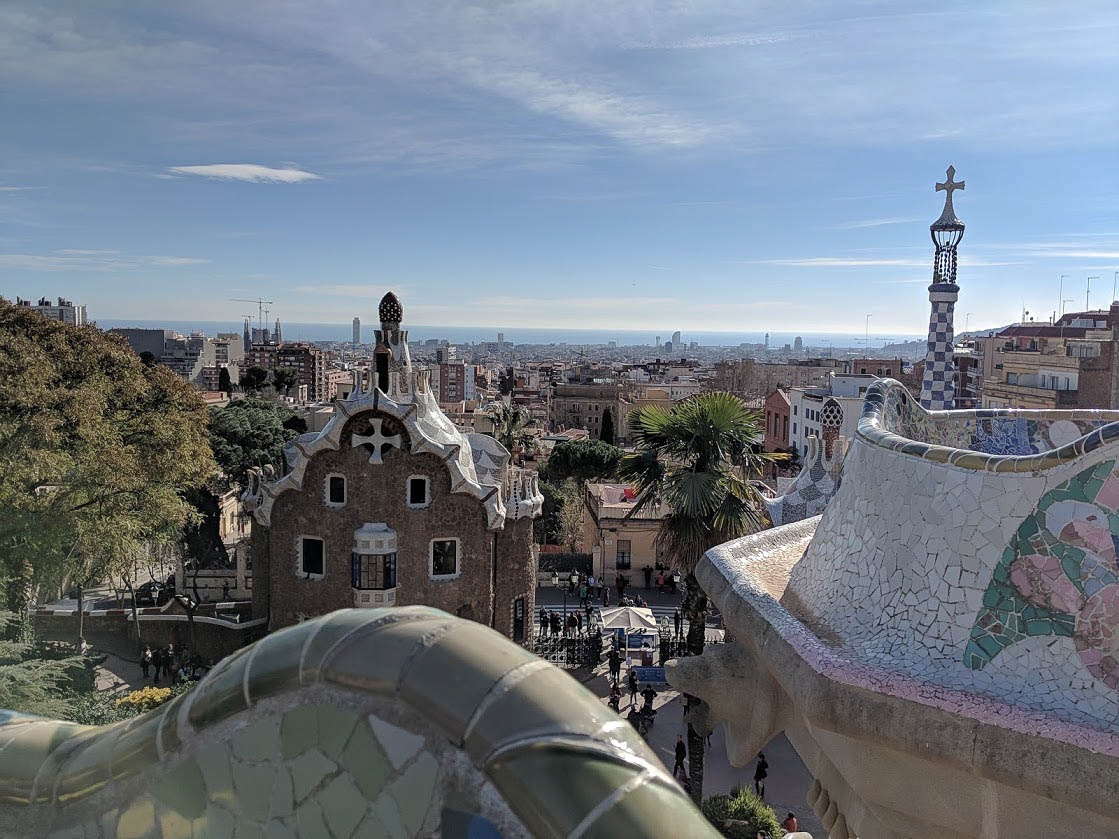
Unveiling Spain’s Cultural Wonders
El Prado Museum, Madrid
Spain is especially well-known for its art and, even more, appreciation for it. And considering this has always been a massive part of the country’s cultural heritage, El Prado Museum has become an essential visit.
While officially known as Spain’s main and national museum of art, El Prado goes beyond Spain. It is deemed one of the most thorough and vast art collections in Europe, housing over twenty thousand artworks, including sculptures, paintings, drawings, prints, and even historical documents.
The fine collections date everywhere from the 12th to the 20th century, so it takes a bit of time to get through it all. Actually, similarly to the Louvre in Paris, El Prado is basically impossible to explore in one day.
You can choose certain parts or make it a few days’ journey, but either way – it has to go on your to-do list!
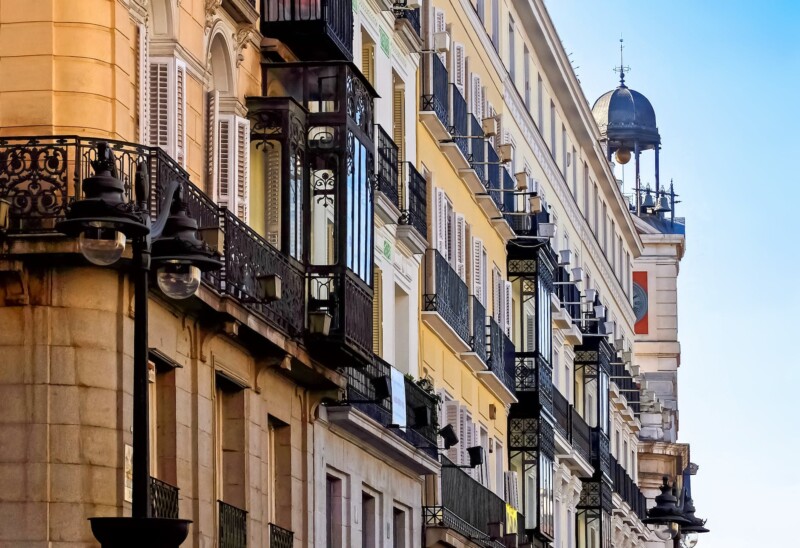
Sagrada Familia, Barcelona
For further exploration, take the Madrid to Barcelona train and get ready to see one of the most beautiful creations in history.
Designed by architect Antoni Gaudi, Sagrada Familia is one of the most prominent Spanish cultural heritage sites, known for its long years of construction and impeccable design. It started in the 19th century and was interrupted many times due to many historical occurrences, the first being the Spanish Civil War.
There was also an arson incident at the beginning of the century, but Sagrada Familia remains the most beautiful Spanish church, essential to visit for cultural purposes, not to mention to simply admire the genius Gothic architectural style.

La Mezquita, Cordoba
The country is also known for its diverse community and interchangeable cultural background. Visit La Mezquita for assurance and wonderful sights.
Otherwise known as the Great Mosque of Cordoba, La Mezquita was constructed when the city was the capital of a Muslim-controlled region of Spain and remained functioning through the years. It is the main testimonial ground of Islamic culture and architecture in the country, making it that much more colorful.
There are also rumors that La Mezquita was once a Roman temple, though there is no sufficient evidence. Still, if you explore thoroughly enough, you might find signs of Christian and Roman architectural styles mixing perfectly with Islamic detailing.
Flamenco Shows
So distinctively Spanish, Flamenco is one of the highest forms of cultural heritage in Spain. A symbol of Mediterranean temperament and Spanish folklore music, the dance is essential to witness if you have a chance!
The oldest record of Flamenco music and dance dates back to the end of the 18th century, and it has developed since. Adding more musical elements and theatricals, it has become one of the top entertainments in the country, especially during festivals and in-house celebrations.
You can catch shows in theaters and entertainment venues in the bigger cities, but for the most realistic experience, travel to the South and look for casual city celebrations when the dancers entertain by simply dancing on the street.
You can even learn it!
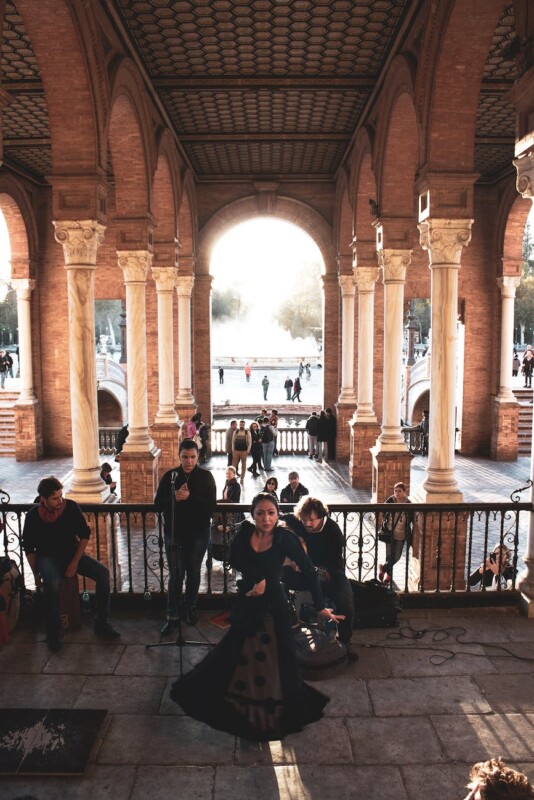
Bullfighting Shows
Similarly to Flamenco, Bullfighting is one of the most stereotypical yet true signs of Spanish culture in the world. Otherwise known as corrida de toros, it is a long-standing tradition that still takes place, mostly in Seville.
Due to its questionable reputation and charges of animal cruelty, bullfighting is illegal in most states yet remains active in Spain. That being said, the shows are much more subdued nowadays. While the primary purpose is still to immobilize or conquer a bull, there are no longer killings or attacks involved.
It also helps to know that corrida de toros is actually a product of bull worship and sacrifice. The animal was once respected and celebrated in Mesopotamia and the whole of the Mediterranean region, and true Spaniards are aware of that!
So, instead of immediately judging, maybe listen to their stories first, and catch a show to get a taste of Hispanic culture.
There you go! Three gorgeous places to see and two of the most Spanish shows to entertain. Remember that the most culture you will witness is by simply walking around and getting to know the people.
Nothing beats human interaction, so make sure you spend enough time getting to know the locals.
Good luck, and Adios!